


How Companies Are Pricing Agentic AI
Agentic AI is not replacing SaaS pricing with a single new model. Companies are building layered contracts that combine recurring access with metered work—using seats, credits, actions and outcomes to divide cost, value and risk.
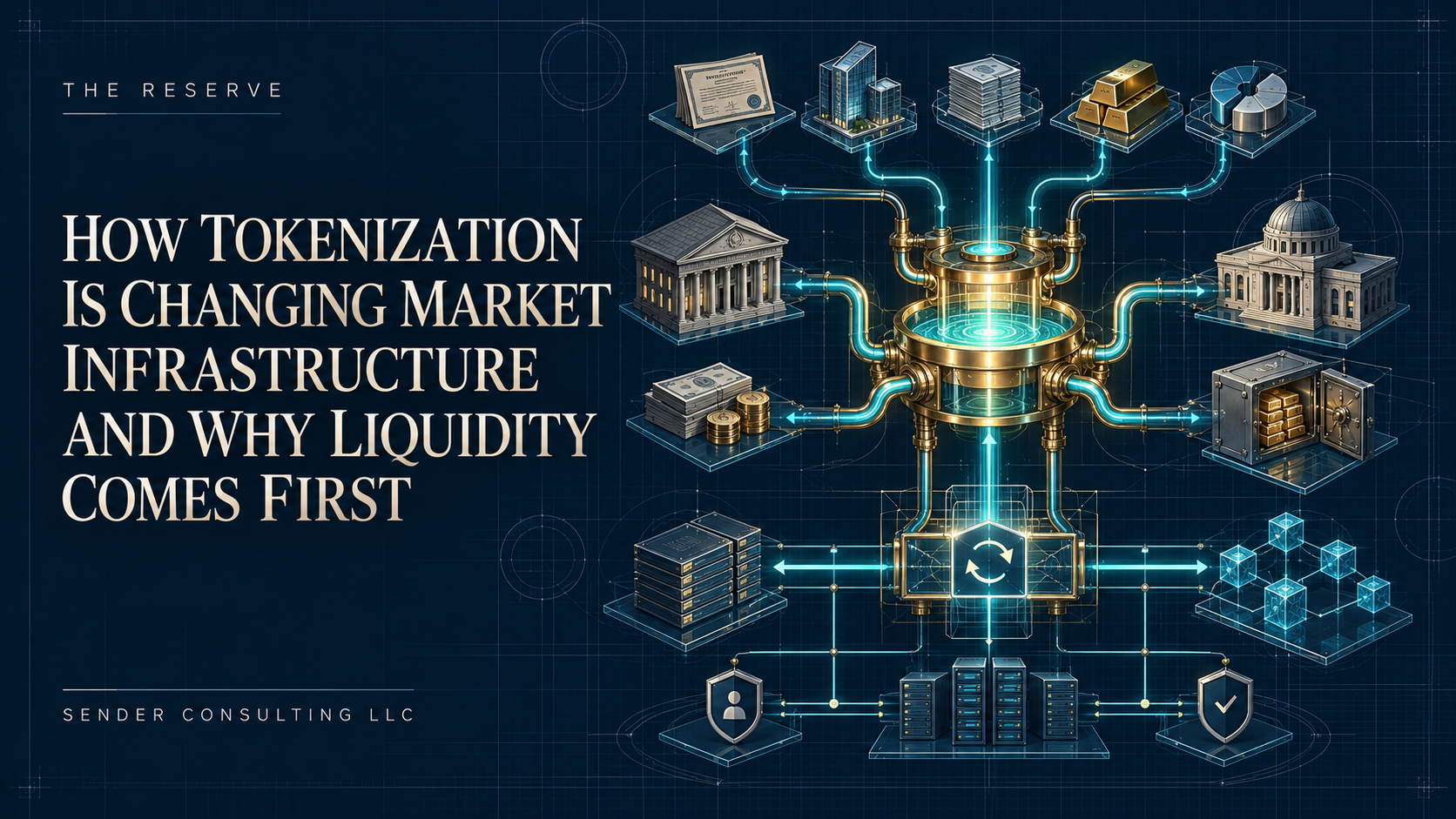
How Tokenization is Changing Market Infrastructure and Why Liquidity Comes First
Tokenization is moving from asset representation into the operating core of financial markets, but liquidity remains the gating factor. Scale will depend on interoperable money, mobile collateral, trusted identity, and governed connections that allow traditional and digital rails to function as one market.

The UCITS Gap is Narrowing: Ireland is Capturing More Recent Fund Flows While Luxembourg Retains the Larger Platform
Ireland is closing the UCITS asset gap as ETFs, passive strategies, bonds and cash reshape European fund flows. Luxembourg remains the larger and more diversified platform, but the contest is shifting toward the operating systems that can launch, distribute and govern funds at scale.
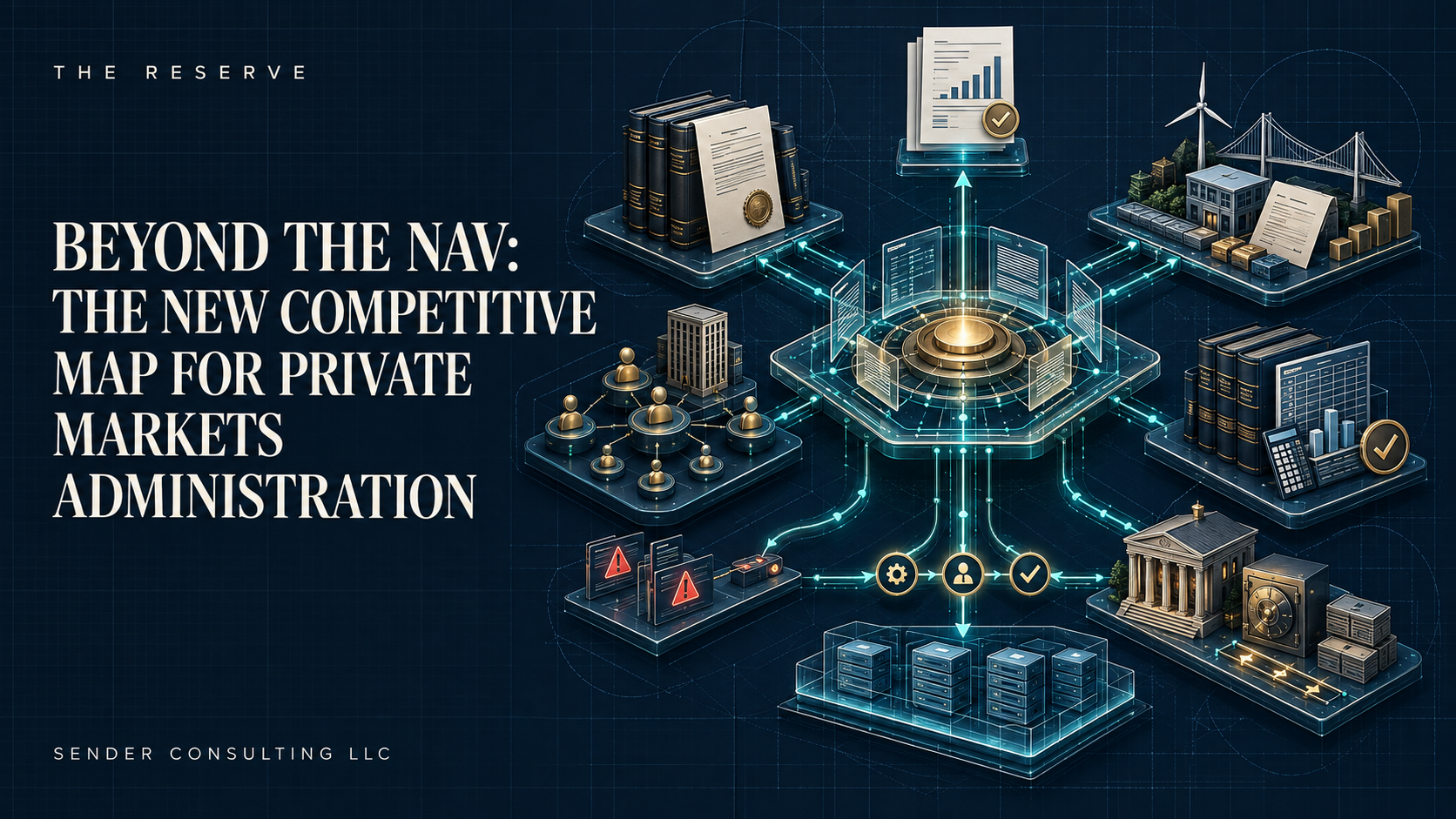
Beyond the NAV: The New Competitive Map for Private Markets Administration
Private markets administration is moving beyond periodic NAV production toward a broader control plane connecting asset, accounting, investor, cash, and legal records. The durable advantage belongs to providers that can reconcile those records, route exceptions, and preserve a portable evidence chain without obscuring accountability.
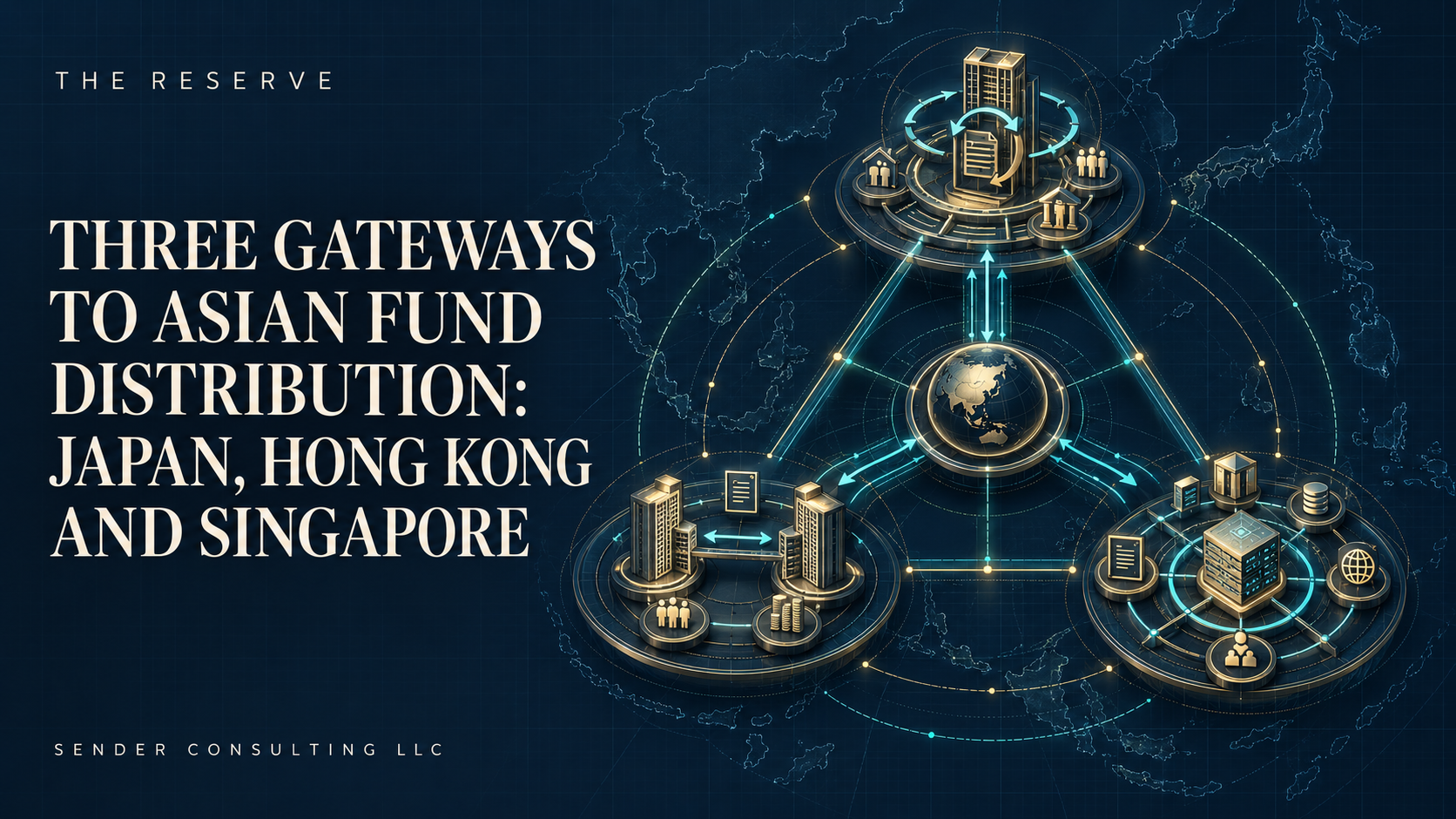
Three Gateways to Asian Fund Distribution: Japan, Hong Kong and Singapore
Asia does not offer one gateway to fund distribution. Japan’s strength lies in domestic contribution relationships, Hong Kong’s in Greater China connectivity, and Singapore’s in regional fund formation—making the strategic question which control point each market should own.
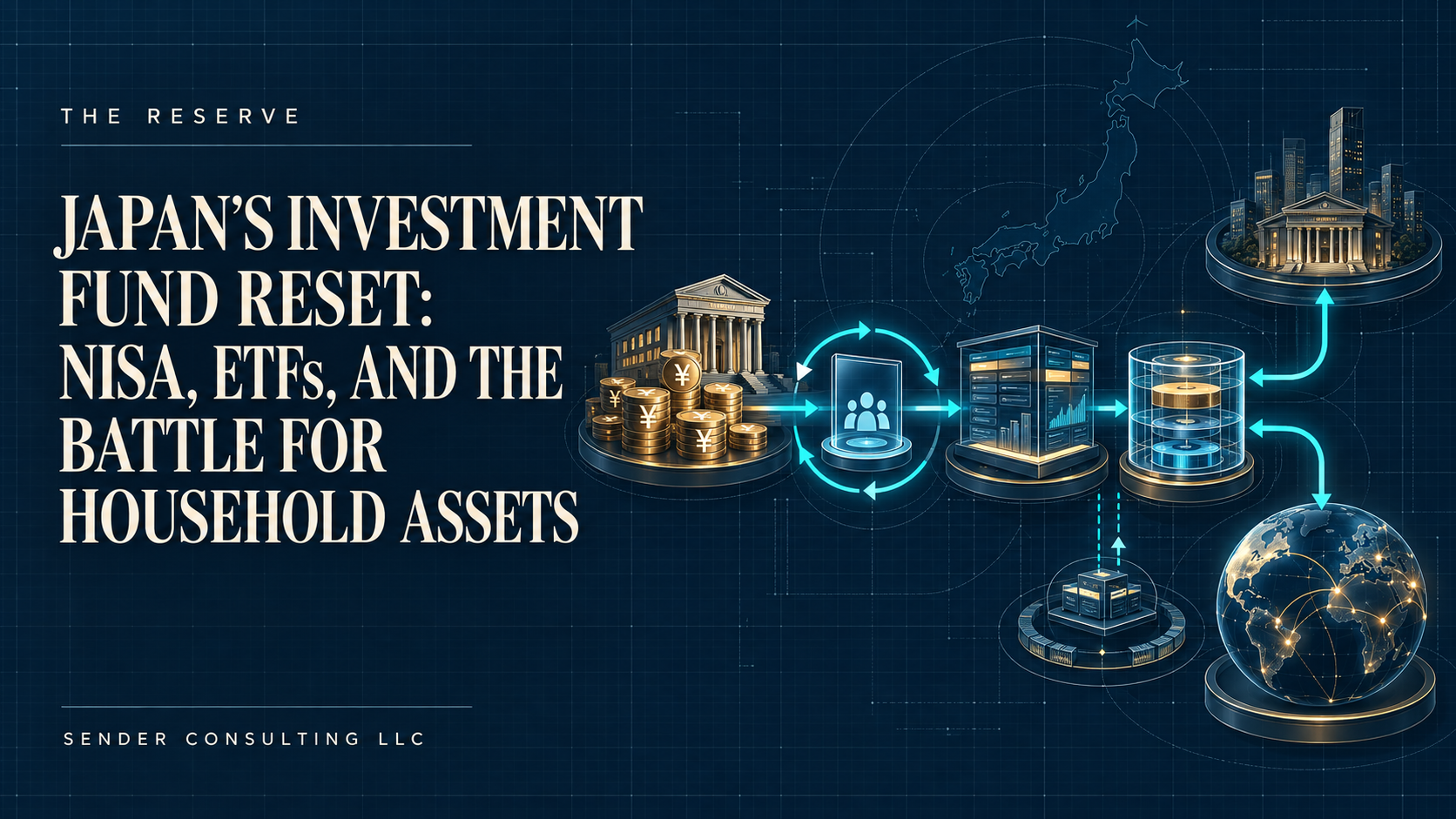
Japan’s Investment Fund Reset: NISA, ETFs, and the Battle for Household Assets
Japan’s NISA reform has opened a major contest for household assets, but account growth alone does not create durable AUM. The advantage belongs to platforms that convert savings into recurring investment through trusted distribution, competitive Japanese wrappers, and globally relevant exposure.

Opening the Closed-End Fund: The New Stack for Evergreen Private Markets
Interval funds, tender-offer funds, nontraded BDCs, and ELTIFs are opening private markets to wealth channels without making illiquid assets continuously liquid. Their durability depends on whether valuation, distribution, servicing, and a capacity-limited repurchase process can withstand persistent exit demand.

The New Annuity Value Chain: Insurers, Asset Managers and the Reinsurance Balance Sheet
The insurance balance sheet is no longer the whole platform. Durable advantage depends on how insurers, asset managers, and reinsurers coordinate liabilities, assets, capital, collateral, and policyholder obligations—especially when the structure is tested.
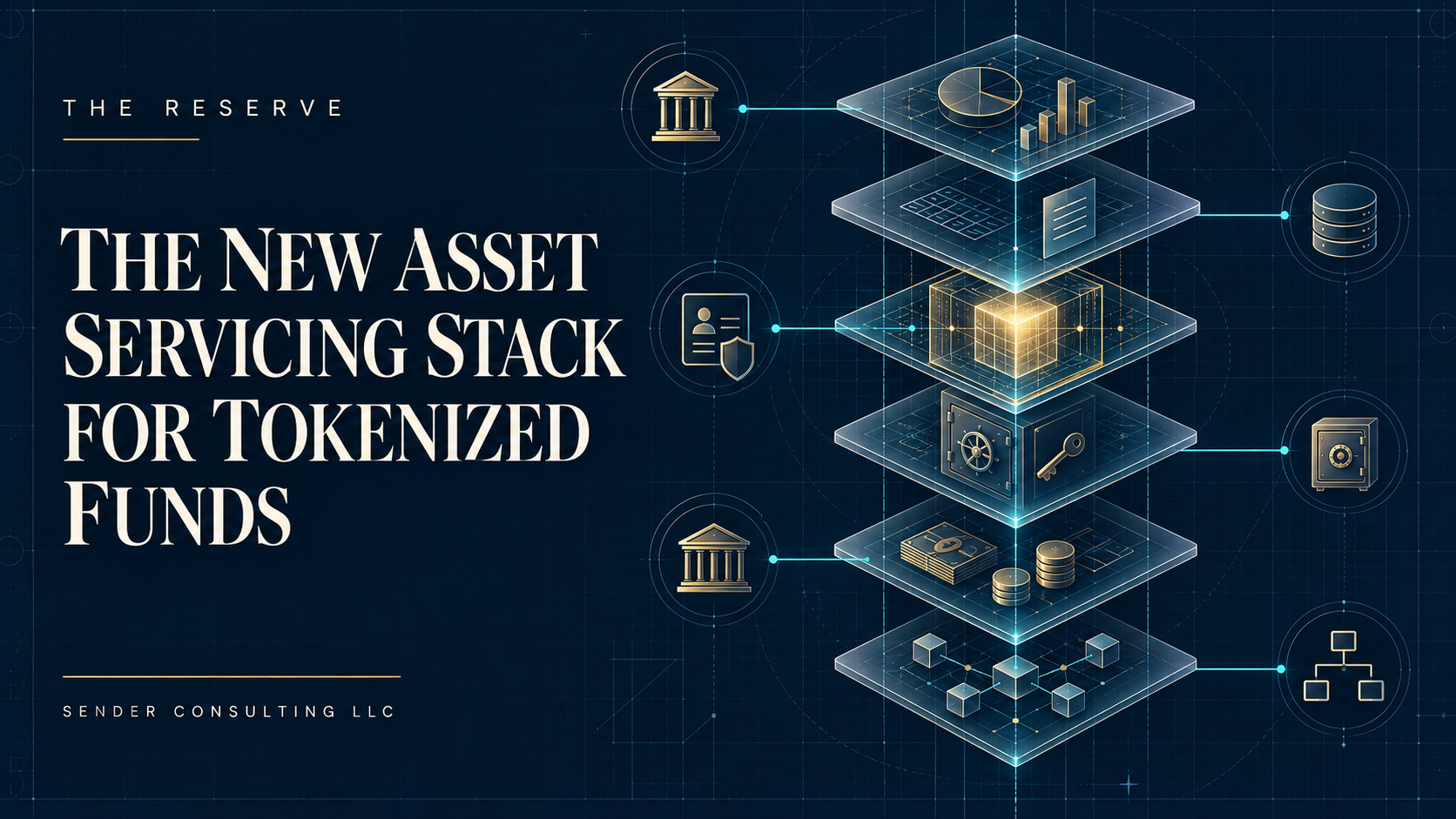
The New Asset Servicing Stack for Tokenized Funds
Tokenization does not eliminate the asset servicing stack. It divides it into six control planes, forcing institutions to decide what they must operate directly and which interfaces they must govern when no single ledger contains the entire operating truth.